Why proprietary tooling?
Most governance, risk and audit tools on the market are built as generic platforms. They require months of implementation, expensive licences and often a dedicated project team to get them working. And once they run, they prescribe how you should work: your methodology, your templates and your terminology get bent to fit what the package allows. That does not suit organisations that want results quickly.
Audirium develops proprietary tools specifically designed for the working method and practice of governance and internal audit. We use them in our services, and you can also use them on their own. Prices are on the pricing page. And they run from day one: no implementation project, no configuration programme, no acceptance phase. What needs setting up, you set up yourself.
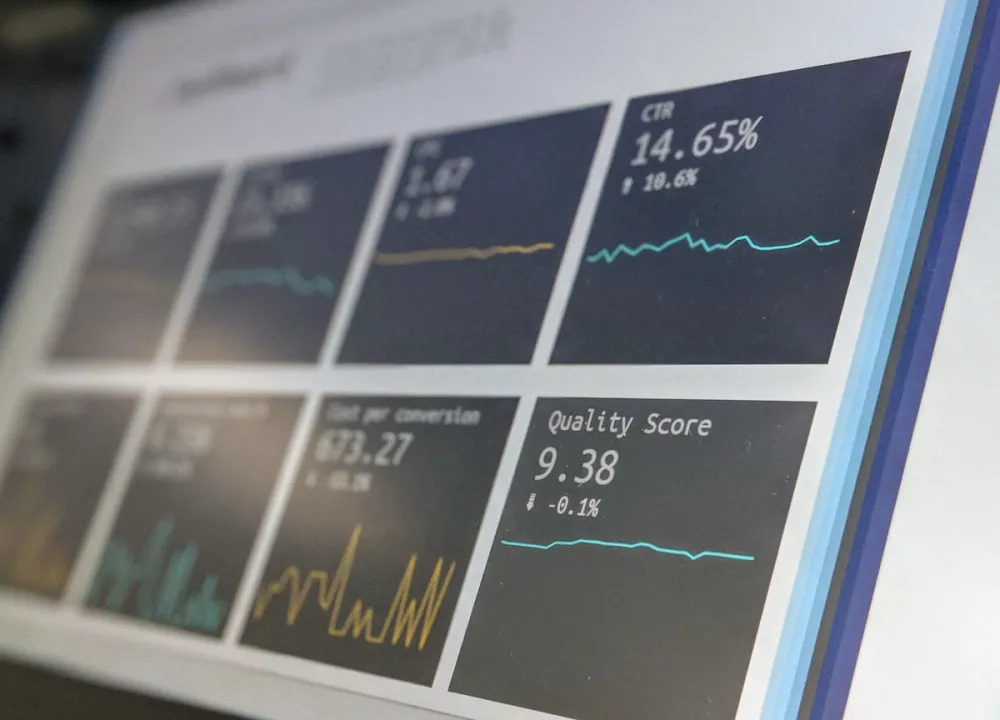
Tools in practice
Three examples of how the tooling adds concrete value:
| Tool | What it does | Practical value |
|---|---|---|
| Risk Heat Map | Visual risk register with impact/likelihood scoring, trend tracking and drill-down to controls | The board sees at a glance where the biggest risks are. Quarterly reports take hours instead of days. |
| AQUA | Full IIA Global Internal Audit Standards assessment with scoring engine, gap analysis and improvement plan | A first self-assessment against the GIAS in hours instead of weeks. The result is usable for the quality programme (QAIP) and for the regulator. |
| Audit Suite | The internal audit cycle in one app, with a structured four-eyes file review: checklists, findings and quality scores | Consistent quality monitoring across all audits. Patterns in findings become visible. |
The full suite
These are three examples. The full suite has more than twenty tools across three domains: internal audit, risk and control, and compliance and accountability. Every tool has its own page with screenshots.
AI in our working method
Audirium uses AI to speed up the work of the specialist. In practice that means:
- Analysis acceleration: recognising patterns in large datasets, detecting anomalies in financial data, making risk correlations visible
- Documentation: generating first drafts of audit reports, risk narratives and policy notes based on findings
- Quality control: consistency checks across audit files, completeness validation of risk registers
- Tool development: the toolsuite itself is accelerated and improved with AI support
All AI output is human-validated. The tools are aids for the senior specialist, not a replacement for professional judgement.